2026-10-19 · Sean O'Brien
Factors That Change Dumpster Rental Prices Across Chicago Neighborhoods
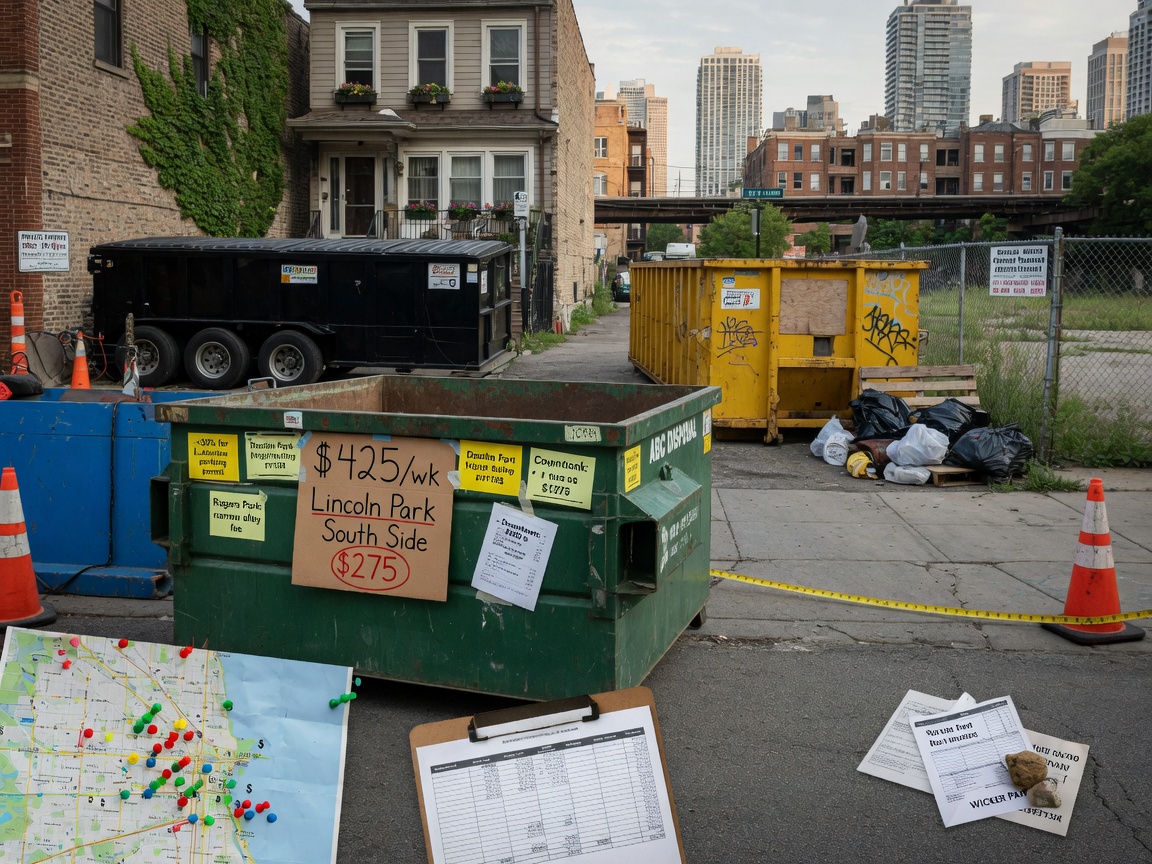
Permit costs, street width limits, building age, and winter access issues cause dumpster rental prices to shift between neighborhoods such as Lincoln Park, Wicker Park, Lakeview, and Hyde Park. Dense blocks with permit requirements and tight alleys add steps that raise base rates, while open areas in the South Loop or Bridgeport often allow simpler placement and lower overall fees.
Permit and Placement Regulations in Different Neighborhoods
Chicago requires street permits for dumpsters placed on public property in most neighborhoods, and fees plus approval times differ by ward. In Lincoln Park and Wicker Park, older row houses and narrow sidewalks mean more applications and longer review periods that increase total project expense. Operators serving Logan Square and Uptown face similar checks near the Chicago Riverwalk and Millennium Park zones. Readers can review full details in the city rules covered at Chicago street permit rules for placing a dumpster on public property. These steps add coordination time that shows up in final quotes for residential dumpster rental jobs.
Housing Stock and Project Scale Differences
Chicago neighborhoods contain distinct housing types that change the size and duration of dumpster needs. Pre-war buildings in Andersonville and Rogers Park often involve smaller renovation loads from single-family homes, while multi-unit conversions in the West Loop and Pilsen generate larger debris volumes from multiple units at once. Logan Square and Bridgeport projects frequently combine interior work with exterior grading, requiring 20-yard or larger units for longer periods. These differences in volume and timeline directly affect scheduling and transport costs for any residential dumpster rental across Cook County.
Seasonal Weather Patterns and Delivery Adjustments
Chicago's humid continental climate brings hot summers that soften ground in parks near Grant Park and Soldier Field, plus cold winters with snow that blocks alleys in Lakeview and Hyde Park. Winter conditions often require extra equipment or delayed pickups, raising operational costs that appear in quotes for jobs scheduled between December and March. The article How Chicago winter snow affects dumpster access and pickup explains these access problems in detail. Summer heat can also limit crew hours on asphalt near Navy Pier, adding another variable operators track when pricing across neighborhoods.
Street Access and Terrain Realities
Narrow one-way streets and limited curb space in Wicker Park, Lincoln Park, and Rogers Park force smaller trucks or hand-carry methods that increase labor. Wider avenues in the South Loop and West Loop allow standard roll-off placement with fewer maneuvers. Terrain near the Chicago Riverwalk and around Soldier Field includes slopes and underground utilities that require site checks before delivery. These physical constraints lead to different base pricing for the same dumpster size when moving between Evanston borders and Oak Park edges versus central Cook County blocks.